
Togo Sled Dog: Remarkable 261-Mile Hero Finally Comes Home
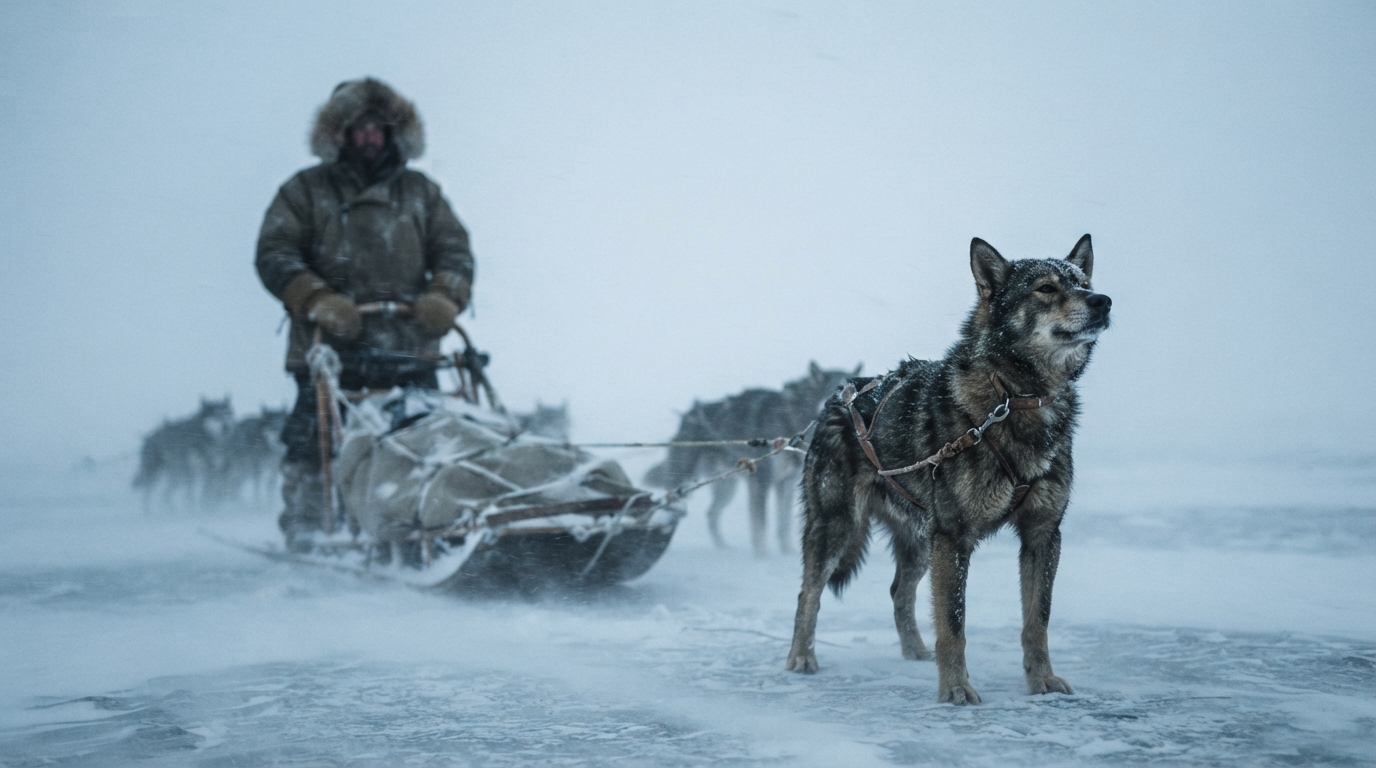
A Hero Returns to Alaska After More Than a Century
For many years, Togo’s remains were split between two places. His taxidermied form is at the Iditarod Trail Race headquarters in Wasilla, Alaska. His skeleton, however, was held far away in Connecticut.
Now that skeleton has come back to Alaska. It arrived through a museum exchange and is housed at the University of Alaska Museum of the North in Fairbanks. It is expected to be put on public display in the future.
The return has delighted dog lovers and history fans alike. It also gives us a good reason to retell what this remarkable dog actually did.
Who Was the Togo Sled Dog?
Togo was a Siberian-style sled dog owned by the musher Leonhard Seppala. He became one of the most celebrated working dogs in history. His name is tied to the famous 1925 Serum Run, sometimes called the Great Race of Mercy.
In that event, teams of mushers and dogs relayed lifesaving medicine across frozen Alaska. The goal was to reach the remote town of Nome, where a diphtheria outbreak was threatening lives. Every team mattered, and every mile counted.
Among all those dogs, the Togo sled dog covered the toughest ground. His leadership helped the mission succeed.
The 1925 Serum Run and the Race Against Diphtheria
Diphtheria is a serious disease, and in 1925 Nome was in real danger. The town was remote, frozen, and cut off from easy help. Medicine existed, but it was far away.
A relay of mushers and sled dog teams set out to carry it across hundreds of miles of wilderness. They worked in turns, handing the precious cargo from team to team. Temperatures were far below freezing, and conditions were brutal.
It was one of the most daring rescue efforts of its time. The Togo sled dog and his musher were at the heart of it.
Togo’s 261 Miles Across the Hardest Trail
Working with Seppala, the 12-year-old Togo led his team for 261 miles. That was by far the longest stretch of any team in the relay. It was also considered the most dangerous.
The pair faced fierce winds and punishing cold. They crossed vast stretches of empty land with little shelter. Every day demanded stamina that most dogs could never match.
Few animals have ever been asked to do so much. The Togo sled dog answered with determination and steady, reliable leadership.
Norton Sound, Blizzards, and Instinct
One of the hardest parts of the journey was the crossing of Norton Sound. The route took the team over treacherous ice. A mistake there could have been fatal.
A blizzard also made things worse. The storm was so severe that Seppala could not see the trail. In those conditions, Togo had to rely on his own instincts to find the way.
His choices helped save the lives of his fellow dogs and his musher. This is why the Togo sled dog is remembered not only for endurance, but also for wisdom.
Balto Versus Togo: Who Gets the Credit?
Balto is the better-known dog from the Serum Run. He led the final team into Nome, covering the last stretch of about 55 miles. That brought him fame and a statue.
Yet Togo’s contribution was much larger. His team ran 261 miles and tackled the most dangerous terrain. Many historians and dog lovers believe he deserves equal or greater honor.
This is not about taking anything away from Balto, whose team also did vital work. It is simply about giving the Togo sled dog the recognition he earned.
The Troublemaker Puppy Who Became a Leader
Togo was not born into greatness. As a puppy, he was considered a troublemaker. He was also thought to be too small and unsuitable for sled work.
Over time, he proved everyone wrong. He showed intelligence, endurance, and a stubborn determination to succeed. Those qualities earned him Seppala’s trust.
His early story is a reminder that potential is not always visible at first. Many successful animals, and people, begin as underdogs. The Togo sled dog is one of the best examples.
Twelve Years Old and Still Leading
By the time of the Serum Run, Togo was already 12 years old. That is old for a dog doing such demanding work. Many might have retired by then.
Instead, he took on the hardest assignment of his life. He led his team through cold, wind, and ice, and he never lost his focus. His age makes the accomplishment even more impressive.
It is a lovely example of experience and heart working together. The Togo sled dog proved that wisdom can matter just as much as speed.
Togo’s Final Years in Maine
After the heroics in Alaska, Togo spent his last years in Maine. He died in 1929. His life had been long, adventurous, and full of purpose.
The move to Maine took him far from the trails where he had made history. Yet his reputation traveled with him. People who knew his story respected the dog who had done so much.
Those quiet final years were a well-earned rest. They also set the stage for the strange journey of his remains.
Where Togo’s Remains Have Rested
After his death, Togo’s remains were preserved. His taxidermied remains eventually came to rest at the Iditarod Trail Race headquarters in Wasilla, Alaska. Visitors there could see the famous dog up close.
What many people did not know is that his skeleton was held somewhere else. It had been kept at Yale University’s Peabody Museum in Connecticut since 1929. For nearly a century, it was far from the land he made famous.
That separation was one reason the Togo sled dog’s return felt so meaningful. It reunited a hero with the place he loved.
A Decade-Long Effort by Link Olson
The return did not happen overnight. Link Olson, a curator at the University of Alaska Museum of the North, worked for a decade to make it possible. His persistence turned an idea into reality.
Moving a historic skeleton between institutions involves many steps. Curators must agree on terms, handle the remains carefully, and weigh competing needs. Olson’s patience made it work.
It is another reminder that big changes often depend on one dedicated person. The return of the Togo sled dog is partly a story of quiet determination at a museum.
How a Museum Exchange Brought Him Home
The skeleton came back through a museum exchange. In exchange, Yale’s museum received a large set of small mammal specimens from Cambodia. Both institutions gained valuable additions to their collections.
Such trades are common in the world of natural history museums. They allow collections to grow and to be placed where they matter most. In this case, everyone benefited.
For Alaskans, the biggest benefit is clear. The Togo sled dog is back in the state where he earned his place in history.
What Happens Next in Fairbanks
Togo’s skeleton is now at the Museum of the North in Fairbanks. It is expected to go on public display in the future. Exact plans have yet to be shared.
When the display opens, visitors will be able to see the frame of a dog who ran 261 miles for strangers. It may inspire children and adults to learn more about the Serum Run. It may also remind them how much animals can give.
Until then, the return itself is cause for celebration. The Togo sled dog is finally home, and his bones can rest where his story belongs.
Most Heroic Animal of All Time
In 2011, Time magazine named Togo the most heroic animal of all time. That honor recognized what historians and dog lovers had long believed. His achievements stood above the rest.
It also helped bring his story to a new audience. Many people who had only heard about Balto learned about Togo. Interest in the Serum Run grew.
The title may sound grand, but it fits. The Togo sled dog showed bravery, endurance, and loyalty that people still admire.
Why the Togo Sled Dog Still Matters
Togo’s story matters because it reminds us what dogs have done for people. For thousands of years, they have worked beside us in hard places. They have carried loads, herded animals, and guided us through danger.
His story also shows how history sometimes forgets the right heroes. Fame does not always follow effort. Correcting that record is a worthy task.
Finally, it shows that coming home can take a long time. The Togo sled dog waited more than a century, and the wait ended with respect and care.
Learn More About Sled Dogs and the Serum Run
If you want to know more about Togo, there are many good places to start. The National Park Service shares information about his life and his role in the 1925 Serum Run. It is a reliable place to read the history in detail.
You can also look for exhibits at museums in Alaska. If you visit Fairbanks, check whether Togo’s skeleton is on display. Seeing it in person can bring the story to life.
Families can also read children’s books about the Serum Run. They are a lovely way to introduce young readers to the Togo sled dog and to the idea that courage comes in many forms.
Final Thoughts on the Togo Sled Dog Who Finally Came Home
Togo led his team through blizzards, ice, and unimaginable cold. He covered 261 miles at age 12, and he helped save a town. For a century, his skeleton lay far from the land he served.
Now he is back in Alaska, thanks to patient museum work and a lot of respect. His legacy is secure, and his story is easier than ever to share. That is a fitting end to the journey of the Togo sled dog.
If you enjoy heartfelt stories and everyday reads, you can find more at Fast Foods Menu. Stories about courage and loyalty are always worth sharing.
Some heroes wait a long time for the recognition they deserve. The Togo sled dog finally has it, and his homecoming is a reminder that bravery is never forgotten.

Alex Brooks
I’m Alex Brooks, the person behind Fast Foods Menu and its main researcher. I love tracking down menu items and prices from McDonald’s, KFC, Burger King, and other major chains across different countries. This hobby keeps me excited and always learning something new.
To help fellow fast food fans, I built this site to share fresh menu information and pricing from quick-service restaurants around the world. Whether you’re ordering in your hometown or trying familiar brands while abroad, this guide shows you what to expect from country to country.


